


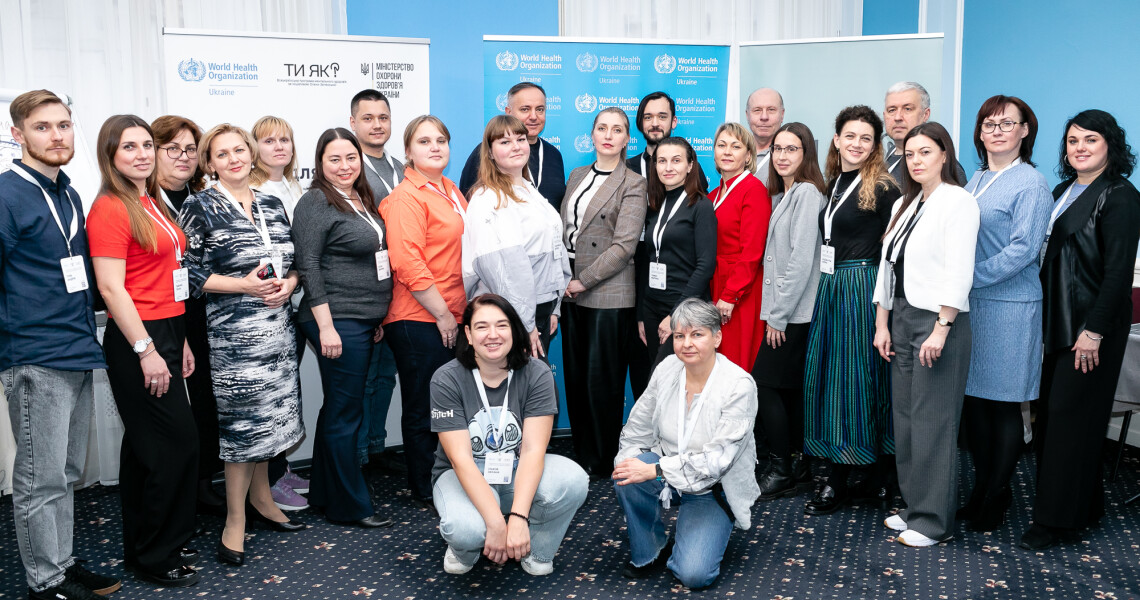


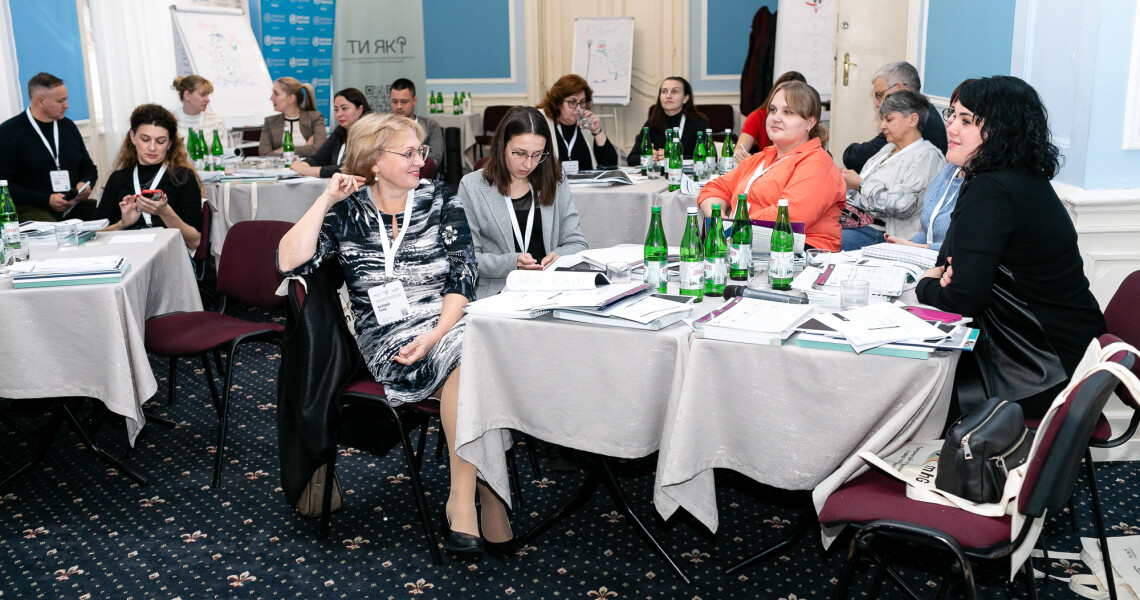
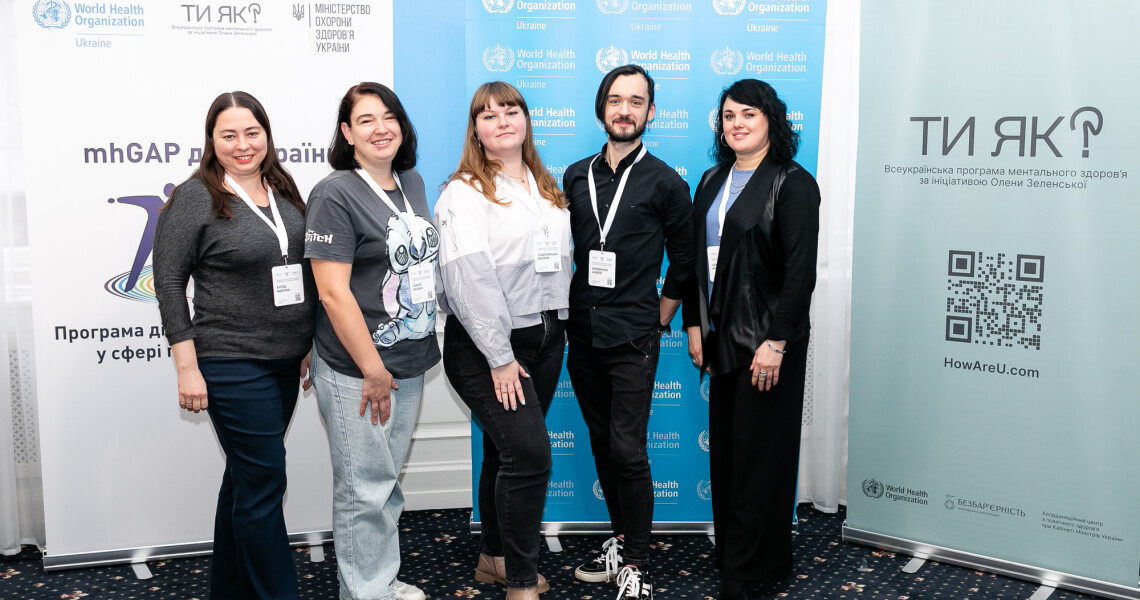
From 24 to 28 November 2025, Anna Lavrenko and Maryna Kulish, staff members of the Department of Internal Medicine No. 3 with Phthisiology of Poltava State Medical University, took part in an intensive “Training of Trainers and Supervisors” held within the Mental Health Gap Action Programme (mhGAP) integration project.
The event was supported by the World Health Organization in partnership with the CMU Coordination Center / Mental Health UA and the All-Ukrainian Mental Health Programme “How Are You?”, initiated by Olena Zelenska.
The training programme was highly intensive and focused on applying mhGAP guideline protocols for detecting and managing common mental disorders at the primary healthcare level, as well as providing self-help and clinical care.
Together with mhGAP trainers — Oksana Ilkov, Valeriia Sodolevska, and Andrii Burdeinyi — participants explored public health issues, the mental well-being of both affected populations and service providers, intersectoral cooperation, legal aspects of response, and referral pathways. The practical component included role-plays, group exercises, and facilitation skills training.
The participants mastered the principles and standards of psychosocial support in the humanitarian sector, deepened their understanding of modern mental health concepts, improved their skills in providing psychological first aid in crisis situations, and strengthened their trainer competencies for working with students, colleagues, and healthcare professionals undergoing advanced training. They also presented their own mini-training sessions on psychological support for professional self-realisation.
The participation of PSMU representatives in this training is an important step in strengthening the mental health support system within the academic environment, especially during wartime. The knowledge gained will be integrated into the educational process at both undergraduate and postgraduate levels and applied in the department’s consulting activities — helping raise awareness among students and trainees and fostering a culture of mental health care within the university community.